Damaged hair is something almost everyone experiences at some point. Heat styling, bleaching, coloring, chemical treatments, UV exposure, and even daily brushing gradually weaken the hair cuticle, leaving strands dry, rough, dull, and prone to breakage.
The good news is that while damaged hair cannot completely regenerate, modern hair care can dramatically improve its condition. A consistent routine focused on hydration, protection, and bond repair can strengthen weakened strands, reduce breakage, improve shine, and make hair much easier to manage.
In this guide, you'll learn what damaged hair can realistically recover from, how to repair damaged hair step by step, how bond repair compares with protein treatments, and which products are worth adding to your routine.
If you're planning a new haircut or color after restoring your hair, try our AI Hairstyle Changer or Hair Color Changer to preview your next look before making a permanent change.
Can Damaged Hair Really Be Repaired?
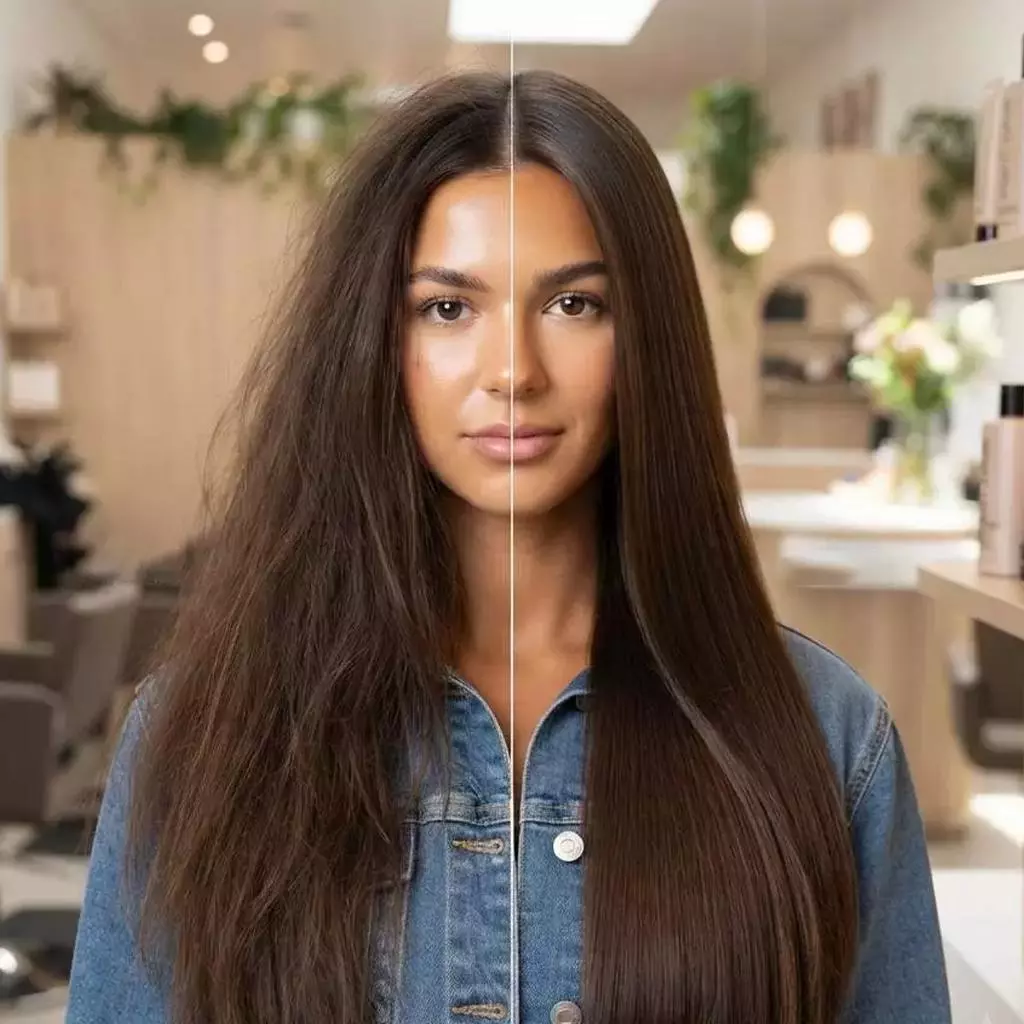
One of the biggest questions in hair care is whether damaged hair can truly be repaired.
The short answer is yes—but only to a certain extent.
Hair is made of dead keratin cells, so once the hair fiber has been damaged, it cannot heal itself like skin. However, modern hair repair products can significantly improve the condition of damaged strands by strengthening the hair fiber, restoring moisture, smoothing rough cuticles, and reducing future breakage.
Here's what you can realistically expect:
| Type of Damage | Can It Be Improved? |
|---|---|
| Dryness | ✅ Yes |
| Frizz | ✅ Yes |
| Heat Damage | ✅ Often improves |
| Bleach Damage | ✅ Yes, with consistent care |
| Weak Hair | ✅ Yes |
| Split Ends | ❌ No, trimming is required |
The goal isn't to make damaged hair brand new again. Instead, a good repair routine helps your hair become stronger, softer, shinier, and easier to style while preventing additional damage.
How to Repair Damaged Hair
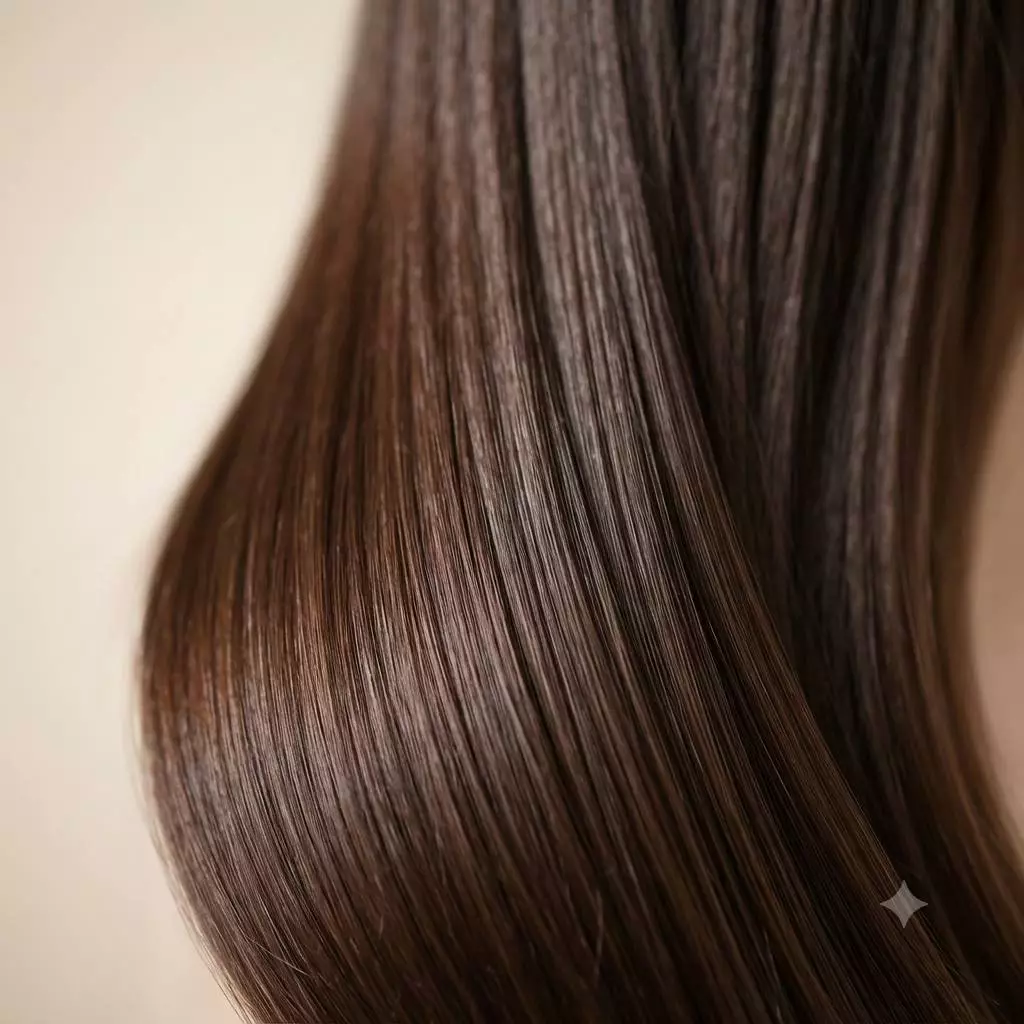
Repairing damaged hair isn't about finding one miracle product. The best results come from following a consistent routine that restores moisture, strengthens the hair fiber, and protects it from future damage.
1. Reduce Heat Styling
Excessive heat is one of the leading causes of hair damage. High temperatures weaken the hair's protein structure and remove essential moisture, leaving strands dry and brittle.
Whenever possible:
- Air dry your hair.
- Lower the temperature of styling tools.
- Limit heat styling to two or three times per week.
- Always use a heat protectant before blow drying, curling, or straightening.
Small changes in your styling habits can significantly reduce future damage.
2. Wash with a Gentle Shampoo
Using harsh shampoos too frequently can strip away the natural oils that protect your hair.
Instead, choose a shampoo designed for damaged or color-treated hair. Sulfate-free formulas are often gentler and help maintain moisture while cleansing the scalp effectively.
If your scalp becomes oily quickly, apply shampoo mainly to the roots and allow the lather to cleanse the lengths as you rinse.
3. Condition Every Wash
Conditioner is essential for repairing damaged hair because it smooths the cuticle, improves softness, and reduces friction during brushing.
Look for conditioners containing ingredients such as:
- Ceramides
- Amino acids
- Panthenol
- Argan oil
- Shea butter
- Glycerin
For extra hydration, leave the conditioner on for two to five minutes before rinsing.
4. Use a Hair Mask Weekly
A deep conditioning hair mask delivers more concentrated moisture than a regular conditioner.
Using one once or twice a week can help:
- Reduce dryness
- Improve softness
- Control frizz
- Increase shine
- Reduce breakage
If your hair has been bleached or chemically treated, weekly deep conditioning is especially important.
5. Add a Bond Repair Treatment
If your hair has been damaged by bleach, coloring, or frequent heat styling, a bond repair treatment can be one of the most effective additions to your routine.
Unlike traditional conditioners that mainly coat the surface of the hair, bond repair products help reinforce weakened internal bonds, making hair feel stronger and more resilient over time.
Use bond repair treatments according to the manufacturer's instructions, usually once a week or as recommended for your level of damage.
6. Protect Hair Between Washes
Repair doesn't stop after wash day.
To minimize everyday damage:
- Use a leave-in conditioner for added moisture.
- Apply a lightweight hair oil to the mid-lengths and ends.
- Sleep on a silk or satin pillowcase to reduce friction.
- Avoid tight hairstyles that pull on the hair.
- Detangle gently using a wide-tooth comb.
These habits help preserve the progress you've made while preventing additional breakage.
If you're ready for a style that's easier to maintain, our Lob Haircut guide features versatile cuts that usually require less daily heat styling than longer hairstyles.
7. Trim Split Ends Regularly
No product can permanently repair split ends.
Although serums may temporarily smooth their appearance, trimming is the only way to remove damaged ends before they continue splitting farther up the hair shaft.
For most people, trimming every 8 to 12 weeks helps maintain healthier-looking hair. It's also a great opportunity to refresh your look with a Layered Bob Haircut, which removes damaged ends while adding movement and volume.
Watch: How to Repair Damaged Hair
Seeing a complete hair repair routine in action can make it much easier to understand which habits actually improve damaged hair. In this dermatologist-led guide, you'll learn what causes hair damage, why split ends can't be permanently repaired, how heat styling and bleaching weaken hair, and which daily habits, conditioners, hair masks, and bond repair treatments can help reduce breakage and improve hair health over time.
Signs of Damaged Hair
Hair damage isn't always obvious at first. In many cases, the signs develop gradually as the cuticle becomes weaker and moisture continues to escape.
Common signs include:
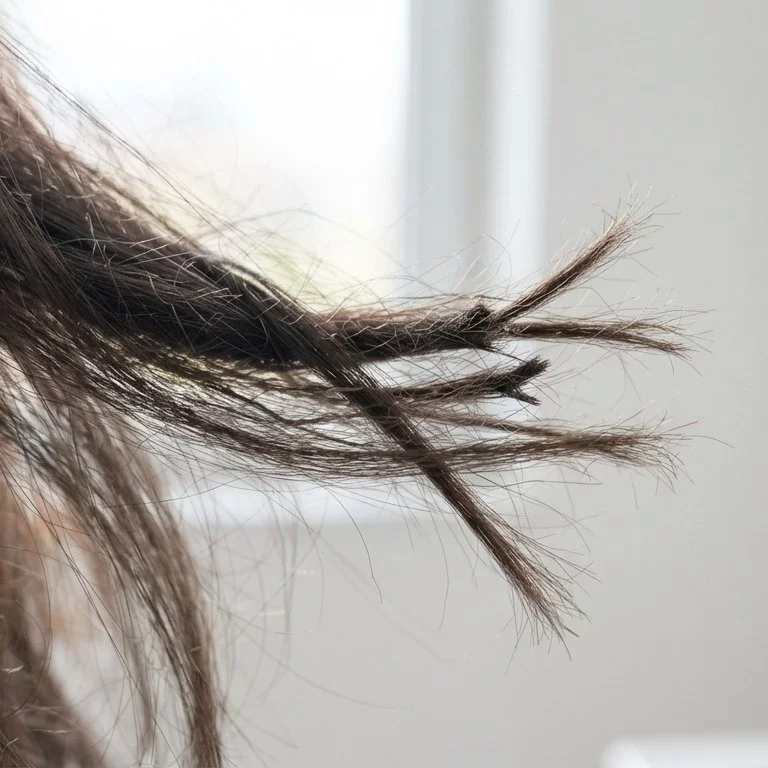
Split Ends
The ends of the hair begin separating into two or more strands. Once split ends appear, trimming is the only permanent solution.
Excessive Breakage
Unlike normal shedding, broken hairs are much shorter than the rest of your hair and often appear around the crown or ends.
Dryness and Frizz
Damaged cuticles struggle to retain moisture, leaving hair feeling rough while creating persistent frizz.
Frequent Tangles
Raised cuticles catch against neighboring hairs, making brushing more difficult and increasing breakage.
Dull Appearance
Healthy hair reflects light evenly. Damaged hair scatters light, making it appear lifeless and lacking shine.
Poor Elasticity
Healthy hair stretches slightly before returning to its original shape. Hair that snaps easily when wet often has weakened internal proteins.
What Causes Hair Damage?
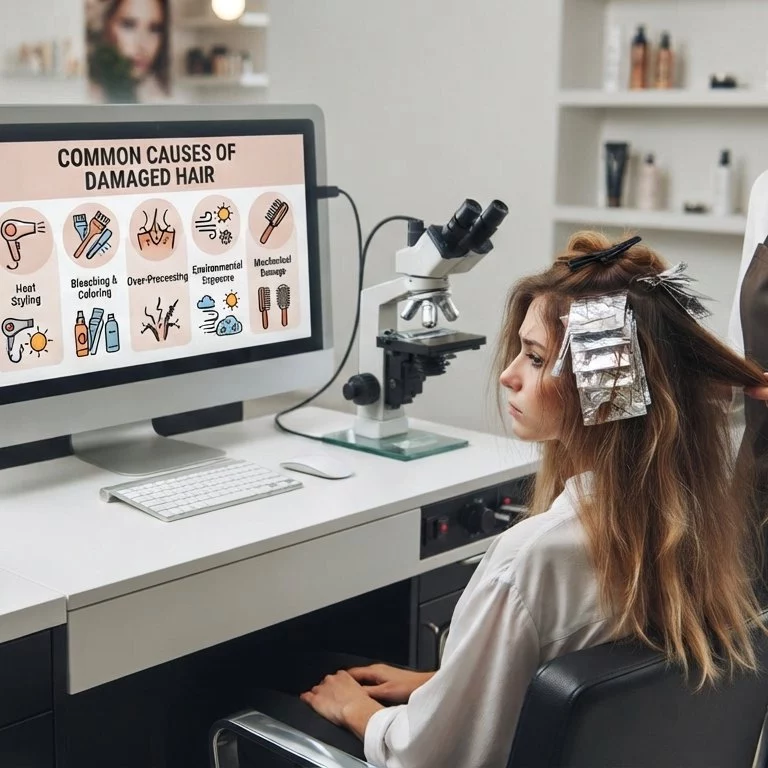
Hair damage usually results from repeated exposure to physical, chemical, and environmental stress rather than a single event.
Heat Styling
Frequent use of flat irons, curling irons, blow dryers, and hot brushes gradually removes moisture while weakening the hair's internal structure.
Bleaching and Hair Coloring
Bleach breaks down natural hair bonds to remove pigment, while repeated coloring lifts the cuticle and increases hair porosity. Both processes can leave hair feeling dry and fragile without proper aftercare.
Before your next coloring session, preview different shades with our Hair Color Changer to help avoid unnecessary bleaching and repeated chemical processing.
Chemical Treatments
Relaxers, perms, and smoothing treatments permanently alter the hair's structure. Repeated chemical services often require extra moisture and bond repair to maintain healthy-looking hair.
Everyday Friction
Simple habits like rough towel drying, aggressive brushing, tight ponytails, and sleeping on cotton pillowcases create mechanical damage over time.
Environmental Exposure
Sunlight, pollution, chlorine, salt water, and dry weather gradually weaken the hair cuticle and contribute to dryness, fading, and breakage.
Understanding the cause of your damage makes it much easier to choose the right repair routine.
Bond Repair vs Protein Treatments
Bond repair and protein treatments are often mentioned together, but they solve different problems. Understanding how each one works can help you choose the right treatment for your hair.
| Bond Repair | Protein Treatment |
|---|---|
| Reinforces weakened hair bonds | Strengthens the hair shaft with proteins |
| Best for bleach and chemical damage | Best for weak or overly elastic hair |
| Improves strength and elasticity | Improves structure and resilience |
| Suitable for color-treated hair | Should be used occasionally to avoid stiffness |
What Is Bond Repair?
Bleaching, coloring, and repeated heat styling can break the internal bonds that give hair its strength.
Bond repair treatments are designed to reinforce these weakened connections, helping hair become stronger, smoother, and more resistant to breakage.
They're especially recommended if your hair is:
- Bleached
- Highlighted
- Color-treated
- Frequently heat styled
- Chemically processed
With regular use, many people notice improved softness, elasticity, and shine.
What Is a Protein Treatment?
Protein treatments work differently.
Instead of targeting internal bonds, they temporarily fill weak areas along the hair shaft, helping damaged strands feel stronger and less prone to snapping.
Protein treatments are often helpful if your hair feels:
- Weak
- Limp
- Stretchy when wet
- Easy to break
However, too much protein can leave hair feeling stiff or dry, so they should be used as part of a balanced routine rather than after every wash.
Which One Should You Choose?
For most people with bleach, color, or heat damage, bond repair should be the priority.
If your hair isn't heavily processed but lacks strength or elasticity, an occasional protein treatment can provide additional support.
Many healthy hair routines combine both approaches by pairing a bond repair treatment with moisturizing conditioners and weekly hair masks. If you're growing out damaged hair, consider a Textured Lob, a style that creates natural movement without requiring frequent heat styling.
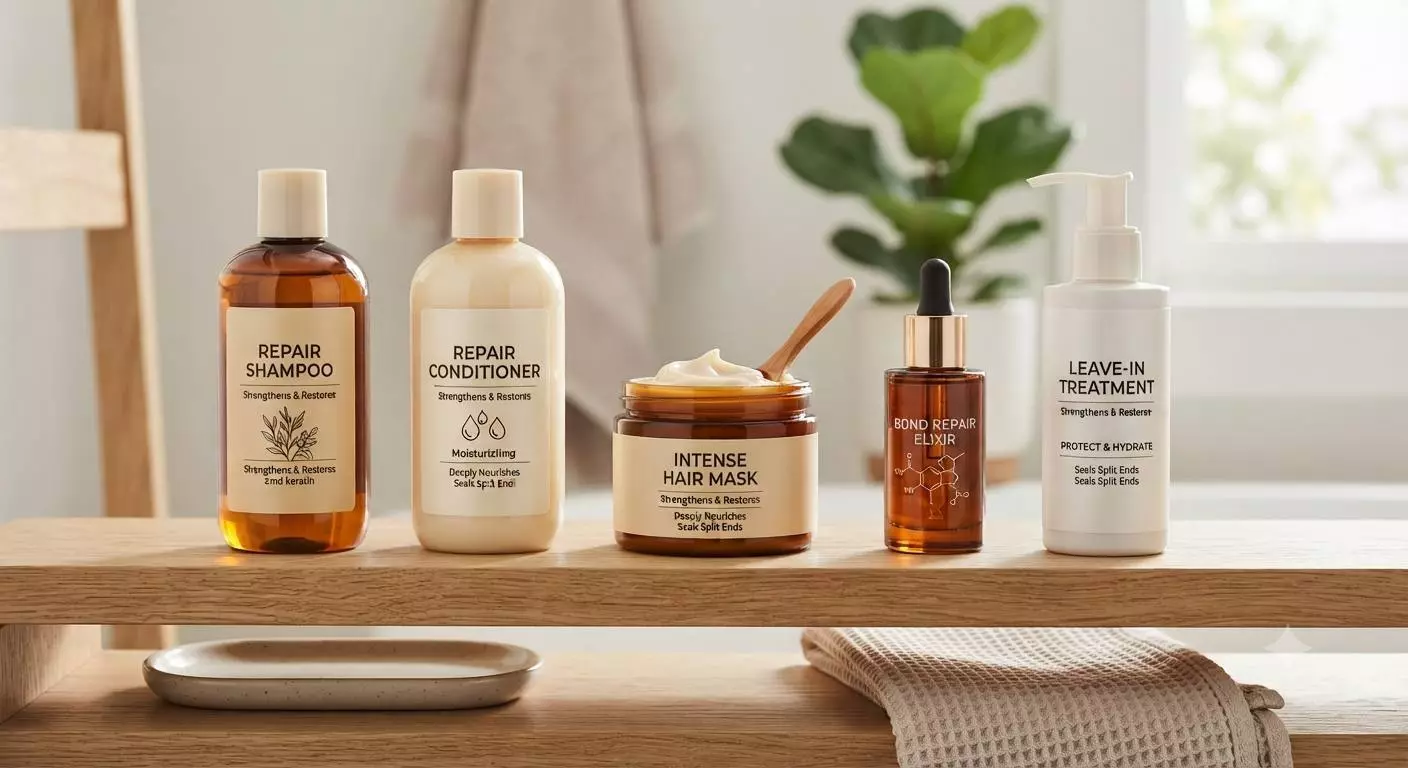
Best Hair Repair Products
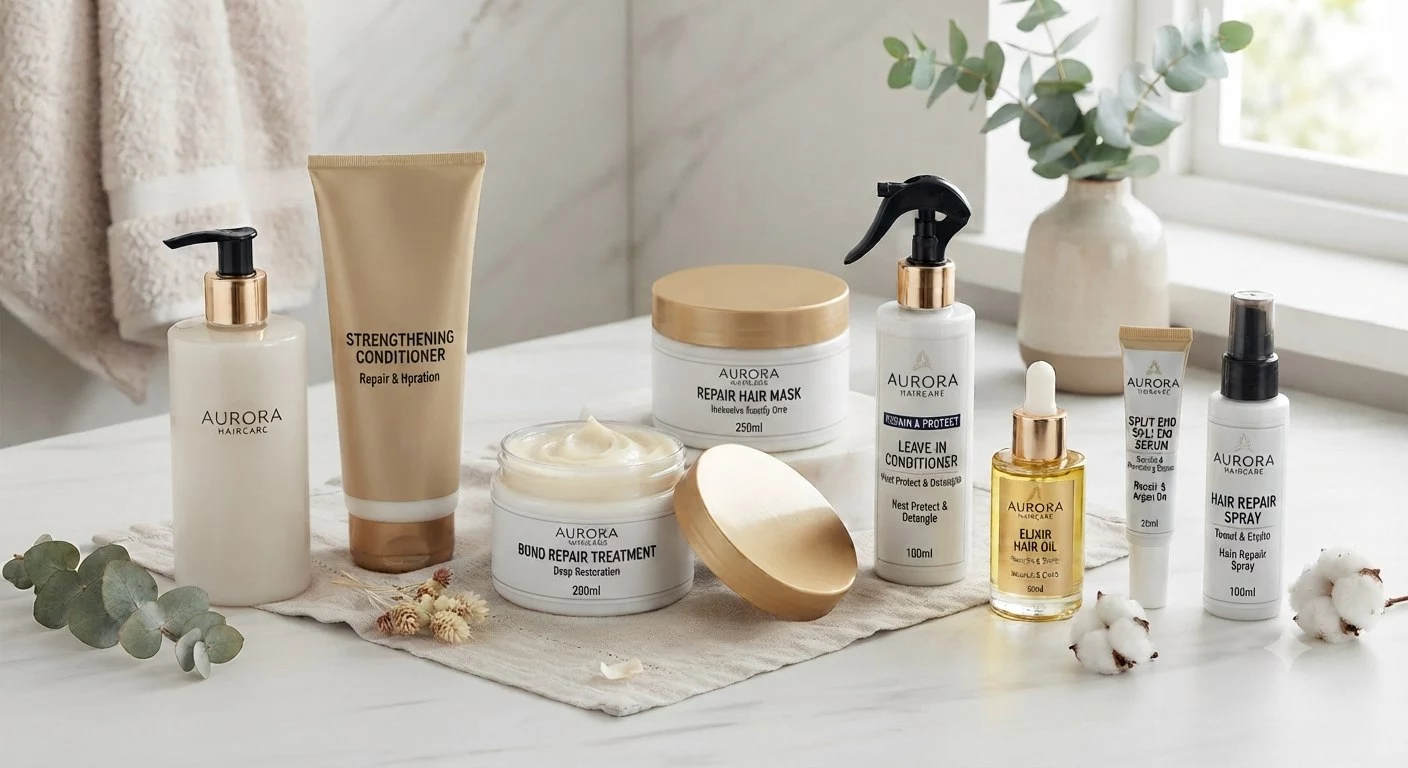
No single product can repair every type of damage. Instead, an effective routine combines several products that work together to cleanse, hydrate, strengthen, and protect your hair.
| Product | Best For |
|---|---|
| Repair Shampoo | Gentle daily cleansing |
| Repair Conditioner | Moisture and smoothness |
| Bond Repair Treatment | Bleached or chemically damaged hair |
| Hair Mask | Deep weekly hydration |
| Leave-In Conditioner | Daily protection and detangling |
| Hair Oil | Shine and frizz control |
Repair Shampoo
A repairing shampoo should cleanse without stripping away the natural oils that help keep hair flexible.
Look for formulas labeled:
- Sulfate-free
- Moisturizing
- Color-safe
- For damaged hair
Repair Conditioner
Conditioner helps seal the cuticle after shampooing while reducing friction and improving softness.
For best results, choose formulas containing ceramides, amino acids, panthenol, or nourishing plant oils.
Bond Repair Treatment
Bond repair treatments are one of the best options for hair that has been weakened by bleaching, coloring, or repeated heat styling.
They work alongside your conditioner rather than replacing it, helping reinforce the internal structure of the hair over time.
Deep Conditioning Hair Mask
A weekly hair mask provides concentrated hydration that regular conditioners can't deliver.
Regular use can help:
- Improve softness
- Boost shine
- Reduce frizz
- Increase manageability
- Reduce breakage
Leave-In Conditioner
Leave-in conditioners continue protecting your hair after washing.
They're particularly useful for long, curly, or bleached hair because they reduce tangles, improve moisture retention, and make brushing easier.
If you're thinking about refreshing your hairstyle after improving your hair's health, our Curtain Bangs guide offers a timeless option that pairs beautifully with soft, healthy hair.
Hair Oil
Hair oils don't repair structural damage, but they help seal moisture, smooth the cuticle, and reduce frizz while adding shine.
Apply only a few drops to the mid-lengths and ends to avoid weighing fine hair down.
FAQ
Can damaged hair really be repaired?
Damaged hair cannot fully regenerate because hair is made of dead keratin cells. However, a consistent routine with moisturizing products, bond repair treatments, and healthy hair habits can significantly improve its strength, softness, shine, and overall appearance.
What is the best treatment for damaged hair?
The best treatment depends on the cause of damage. Bond repair treatments work well for bleach and chemical damage, while deep conditioning masks, gentle shampoos, and leave-in conditioners help restore moisture and reduce breakage.
How long does damaged hair take to recover?
Most people notice healthier-looking hair within four to eight weeks of following a consistent hair repair routine. Severely damaged hair may require several months of regular care.
Do bond repair treatments actually work?
Yes. Bond repair treatments help reinforce weakened internal hair bonds, making hair feel stronger, smoother, and less prone to breakage, especially after bleaching, coloring, or frequent heat styling.
Final Thoughts
Repairing damaged hair is less about finding one miracle product and more about following a routine consistently.
By reducing heat styling, washing with a gentle shampoo, conditioning after every wash, using a weekly hair mask, protecting your hair between washes, and adding a bond repair treatment when needed, you can significantly improve your hair's strength, softness, and shine over time.
Healthy hair doesn't happen overnight, but with the right habits and products, noticeable improvements are possible within just a few weeks.