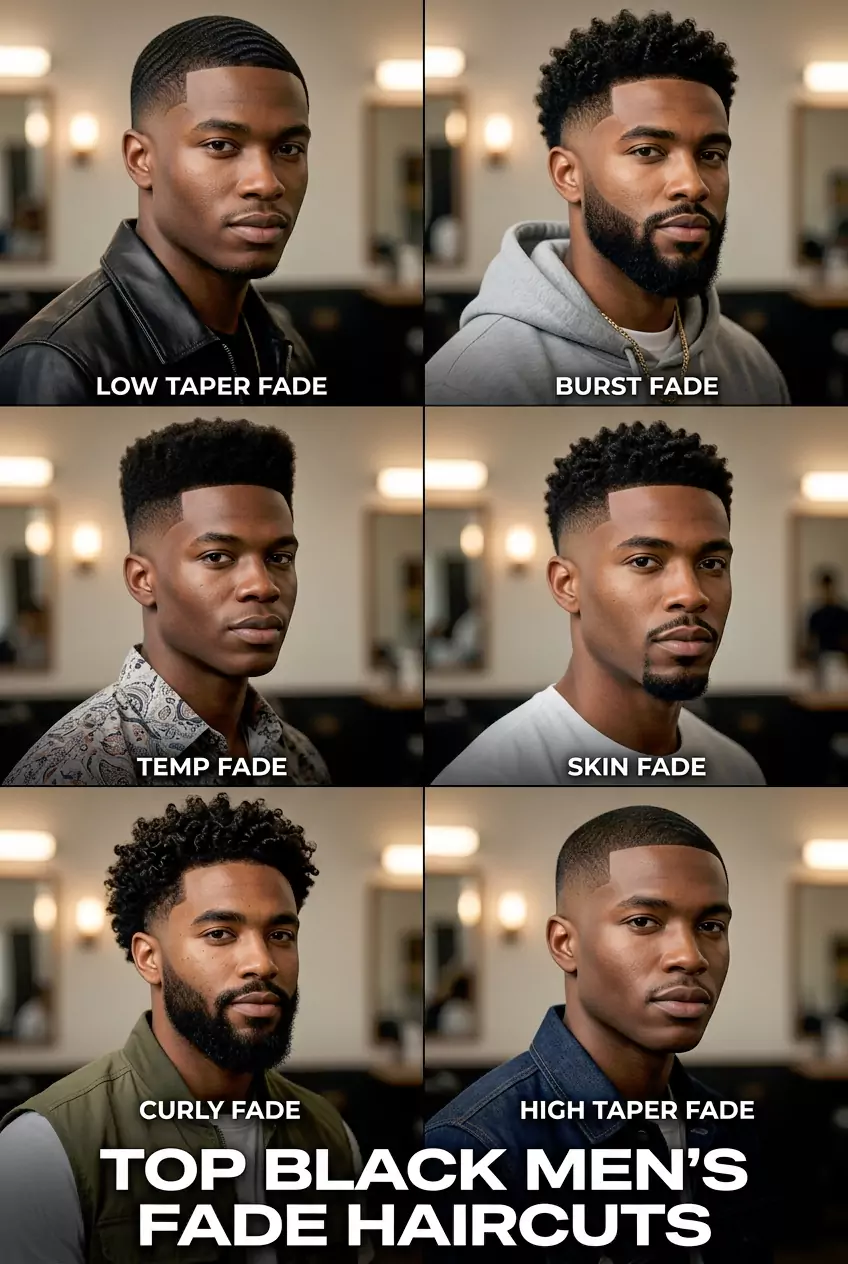
Fade haircuts for Black men cover a wide range of styles, from clean low tapers and professional temp fades to bold burst fades, curly fades, and sharp skin fades. This page works as a central guide to help you compare the most popular fade haircut directions based on texture, maintenance level, and overall style preference.
Some people want a fade haircut that looks polished for work or school. Others want stronger contrast, sharper edges, fuller curls, or a more trend-driven haircut shape. Instead of treating all fades the same way, this guide breaks the category into practical style paths so you can choose more confidently.
Part 1: How to Choose the Right Fade Haircut
The best fade haircut depends on more than trends. Hair texture, curl density, styling routine, and maintenance expectations all affect which fade works best.
Hair texture changes the result
A low taper fade on waves looks very different from a burst fade on tight curls or a skin fade paired with sponge twists. Some fade styles reduce bulk. Others create more contrast and structure.
Daily upkeep matters
Some fade haircuts stay cleaner longer, while others require frequent barber visits. A skin fade usually needs more maintenance than a classic taper fade.
Lifestyle affects the best choice
Professional hairstyles often lean cleaner and more balanced, while trend-focused fade styles may use stronger contrast, creative shapes, or more volume on top.
Face shape can improve balance
Higher fades often create more vertical shape, while lower fades usually feel softer and more natural around the sides.
Part 2: Popular Fade Haircuts for Black Men
Fade haircuts usually fall into a few core directions: low fades, taper fades, skin fades, burst fades, temp fades, and curly textured fades.
Low taper fade black male
The low taper fade remains one of the most versatile Black men’s hairstyles because it keeps more natural fullness while still creating clean structure around the ears and neckline.
Low taper fades are especially popular with:
- waves
- curly tops
- sponge twists
- short afros
- professional hairstyles
This style works best when you want a cleaner outline without removing too much volume.
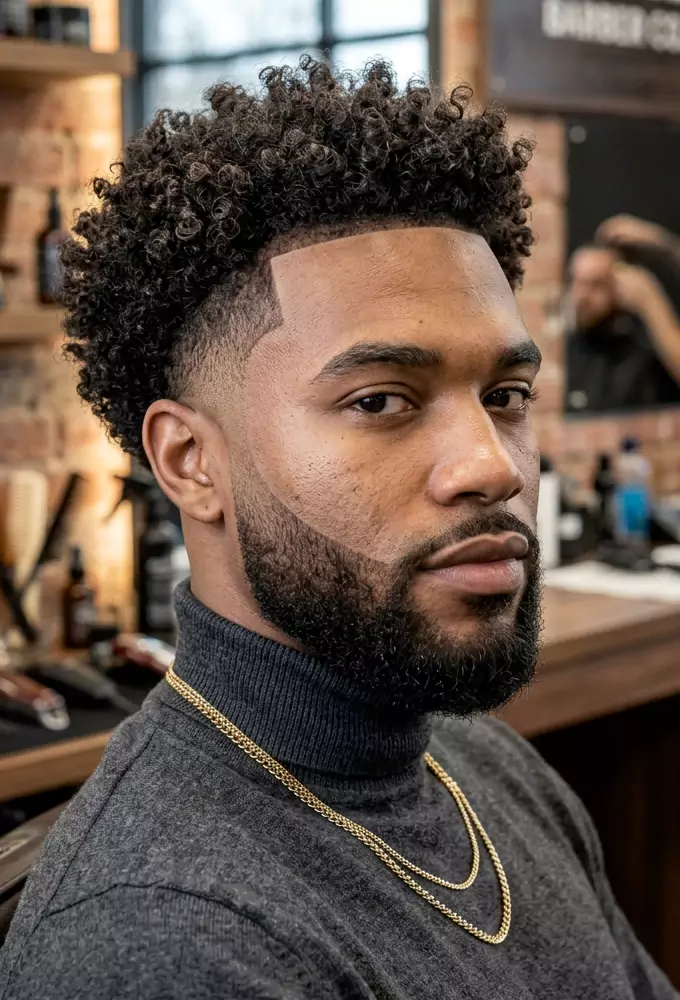
Temp fade haircuts
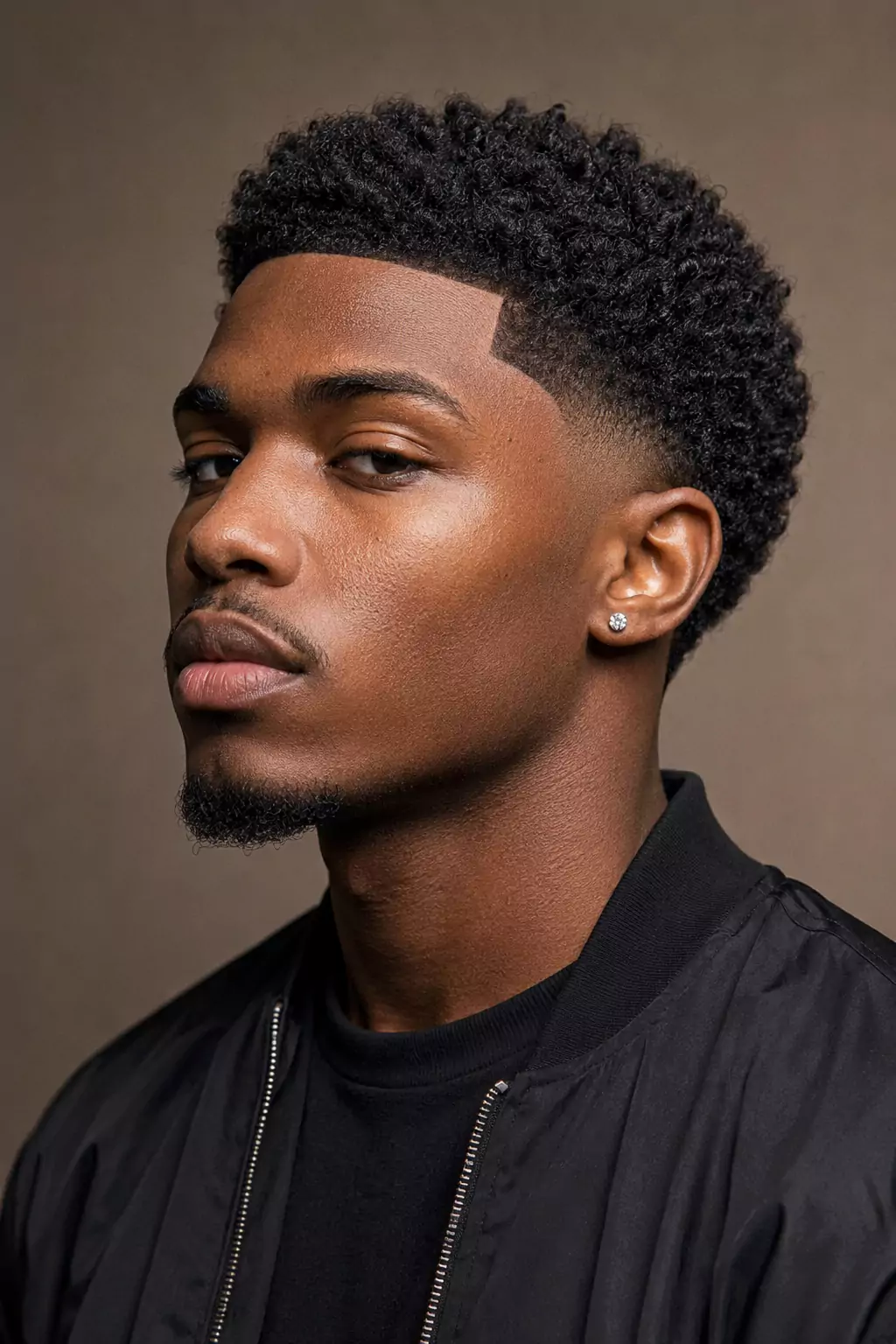
Temp fades, also called temple fades, focus the fade around the temple area while keeping more fullness through the sides and crown.
Popular temp fade directions include:
- curly temp fades
- afro temp fades
- temp fades with beards
- waves with temp fades
Temp fades are a strong fit when you want cleaner facial framing without creating an aggressive fade transition.
Skin fades
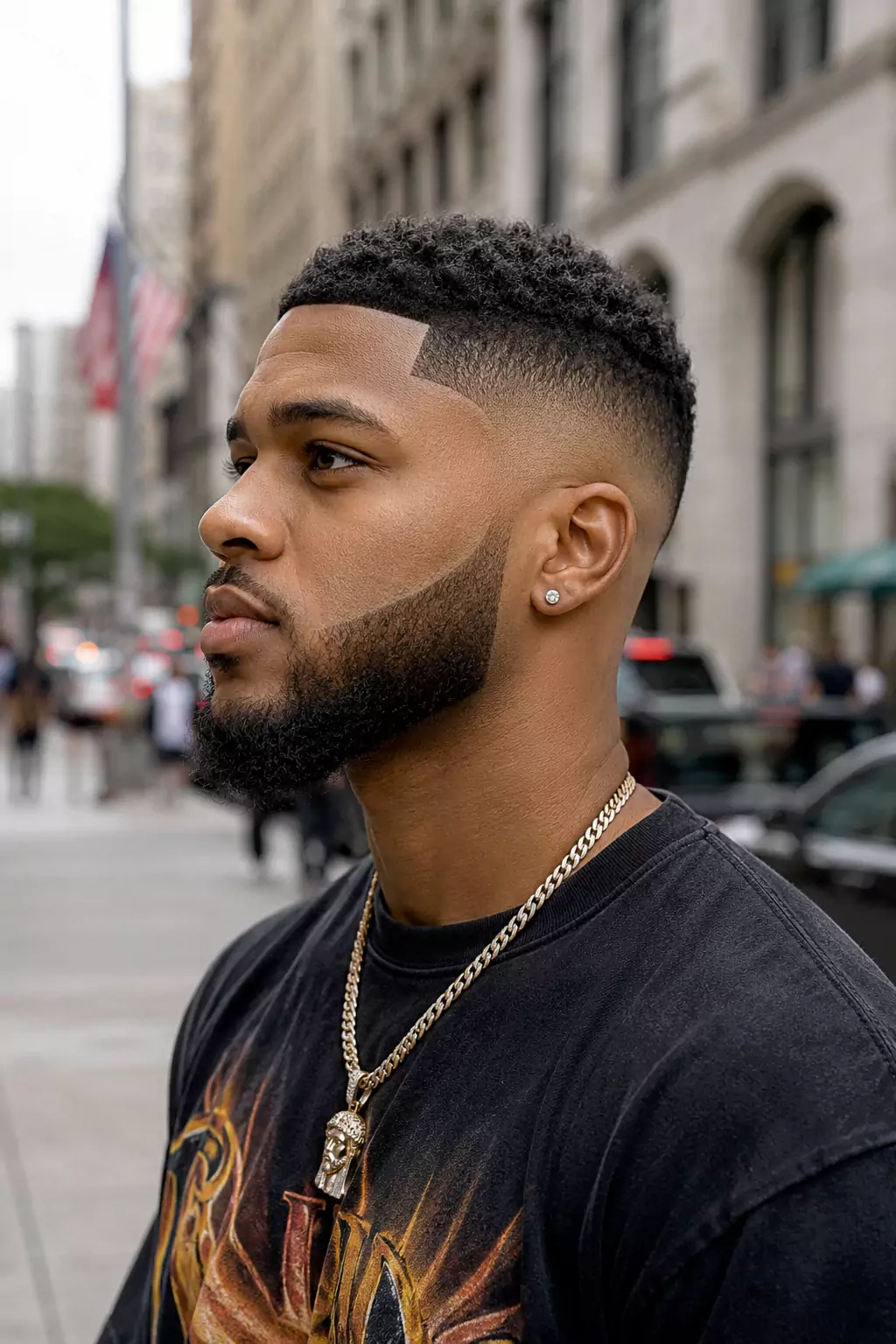
Skin fades blend fully down into the scalp for maximum contrast and one of the cleanest finishes in modern barbering.
Popular skin fade directions include:
- low skin fades
- mid skin fades
- high skin fades
- bald fades with curls
Skin fades usually work best for people who want sharper contrast and shorter side length.
Burst fade haircuts
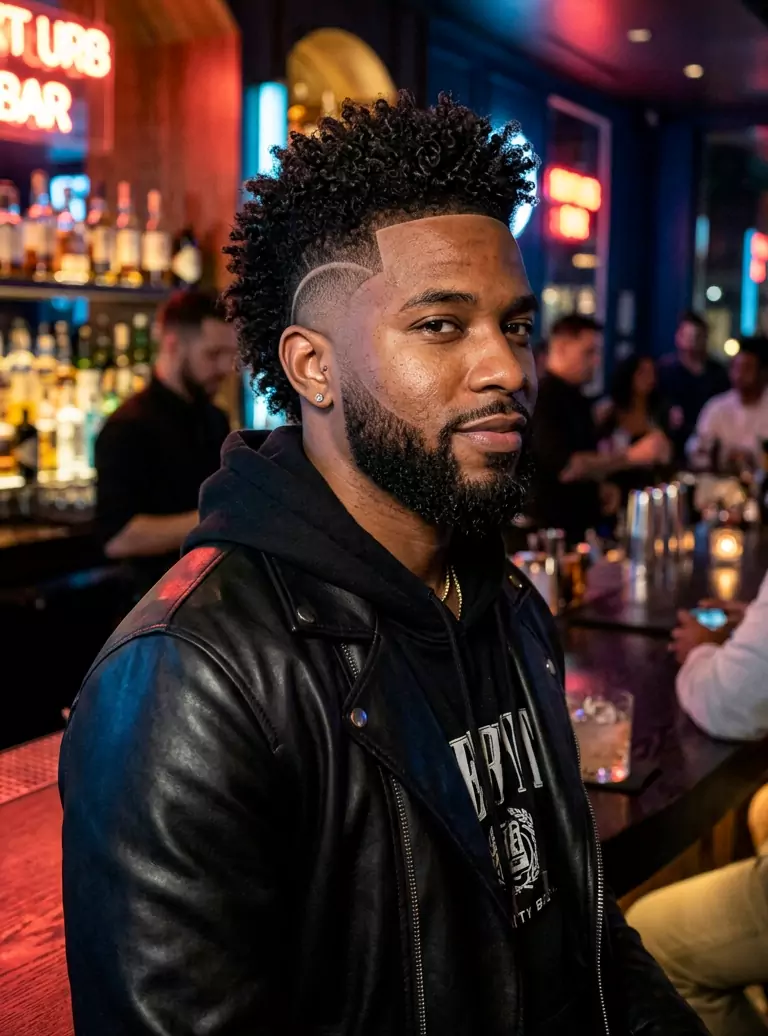
Burst fades curve naturally around the ear area instead of fading straight across. They are especially common in curly mohawk styles and South of France-inspired cuts.
Popular burst fade directions include:
- burst fade mohawks
- curly burst fades
- afro burst fades
- burst fade mullets
These styles often create a more expressive and trend-driven silhouette.
Curly fade haircuts
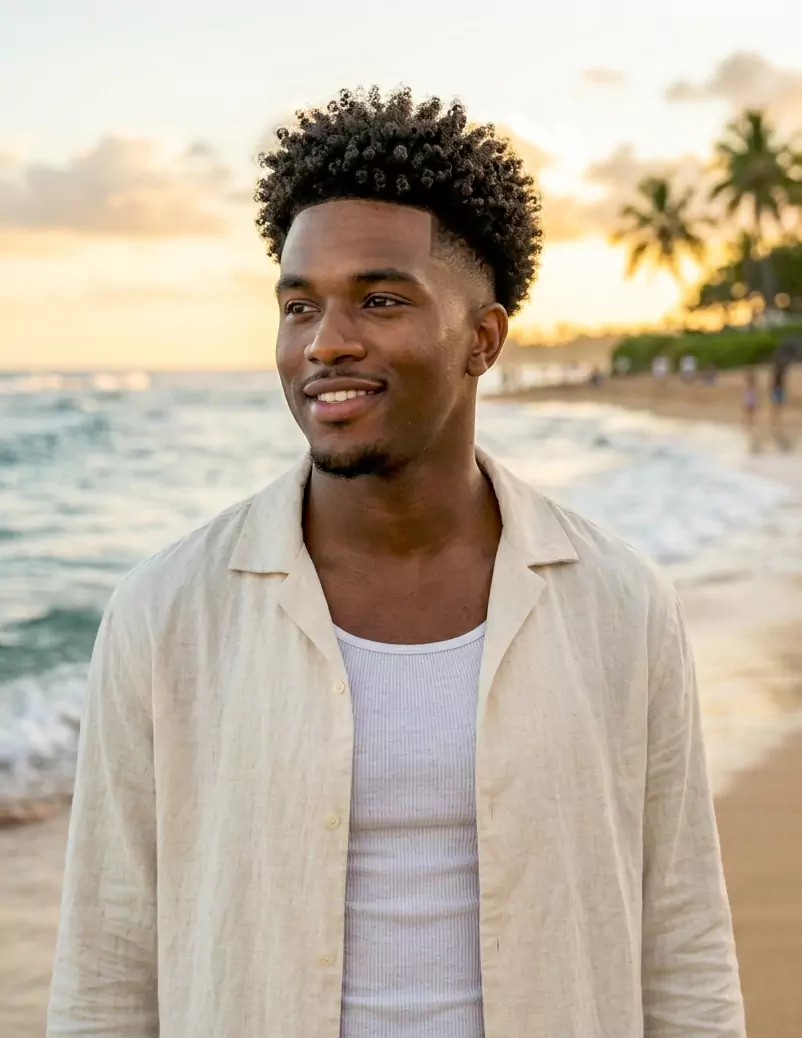
Curly fade haircuts combine textured curls on top with faded sides for a balanced modern shape.
Popular curly fade directions include:
- curly taper fades
- curly drop fades
- high fades with curls
- sponge twist fades
These styles usually work best when curl definition stays moisturized and well-shaped.
Part 3: Fade Haircuts by Hair Texture
Different fade styles create different results depending on texture, density, and curl pattern.
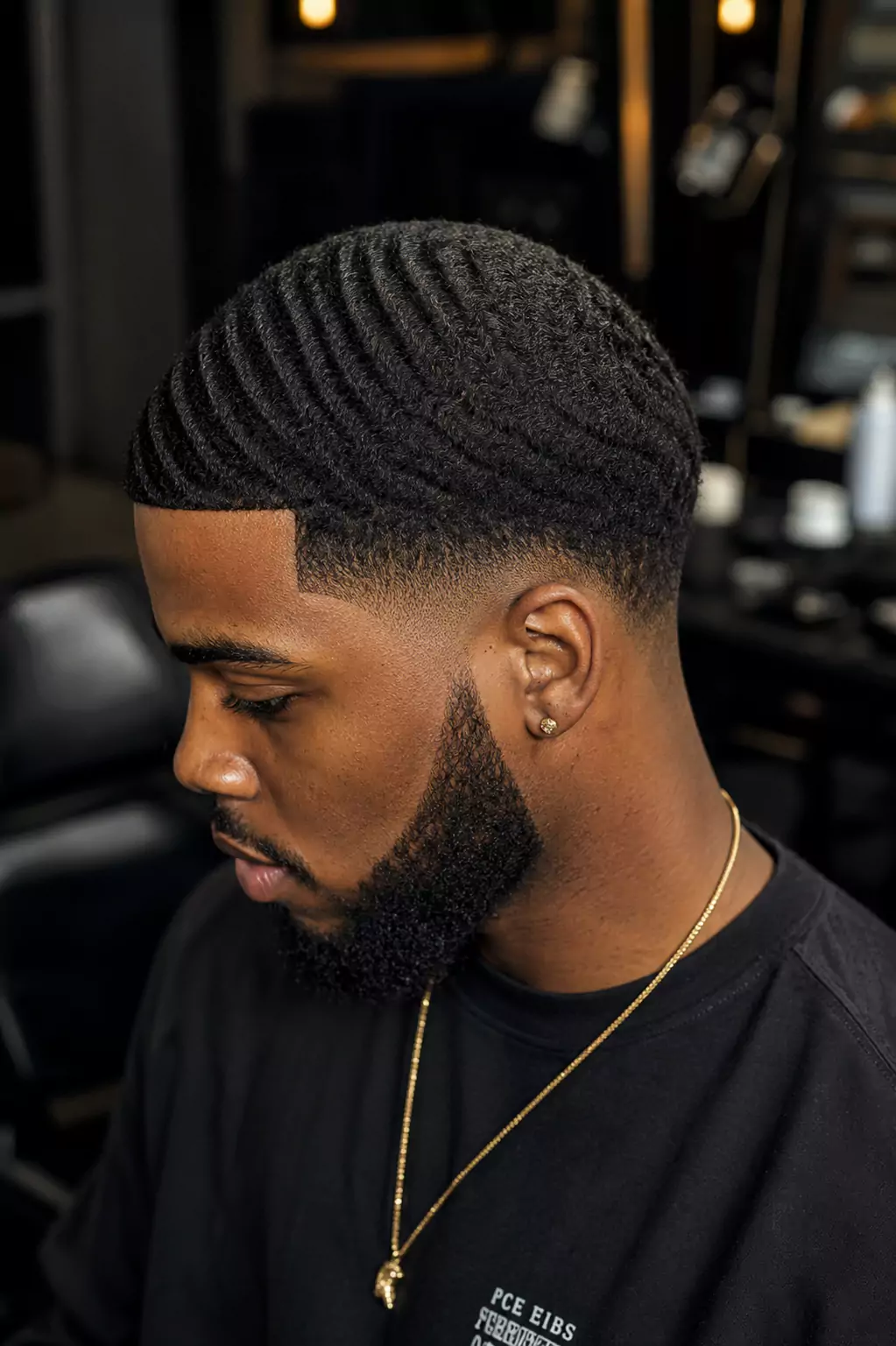
Fade haircuts for waves
Low fades and taper fades remain some of the most popular haircut choices for 360 waves because they maintain wave visibility while keeping the outline cleaner.
Popular wave fade directions include:
- low taper fade waves
- temple fade waves
- mid fade waves
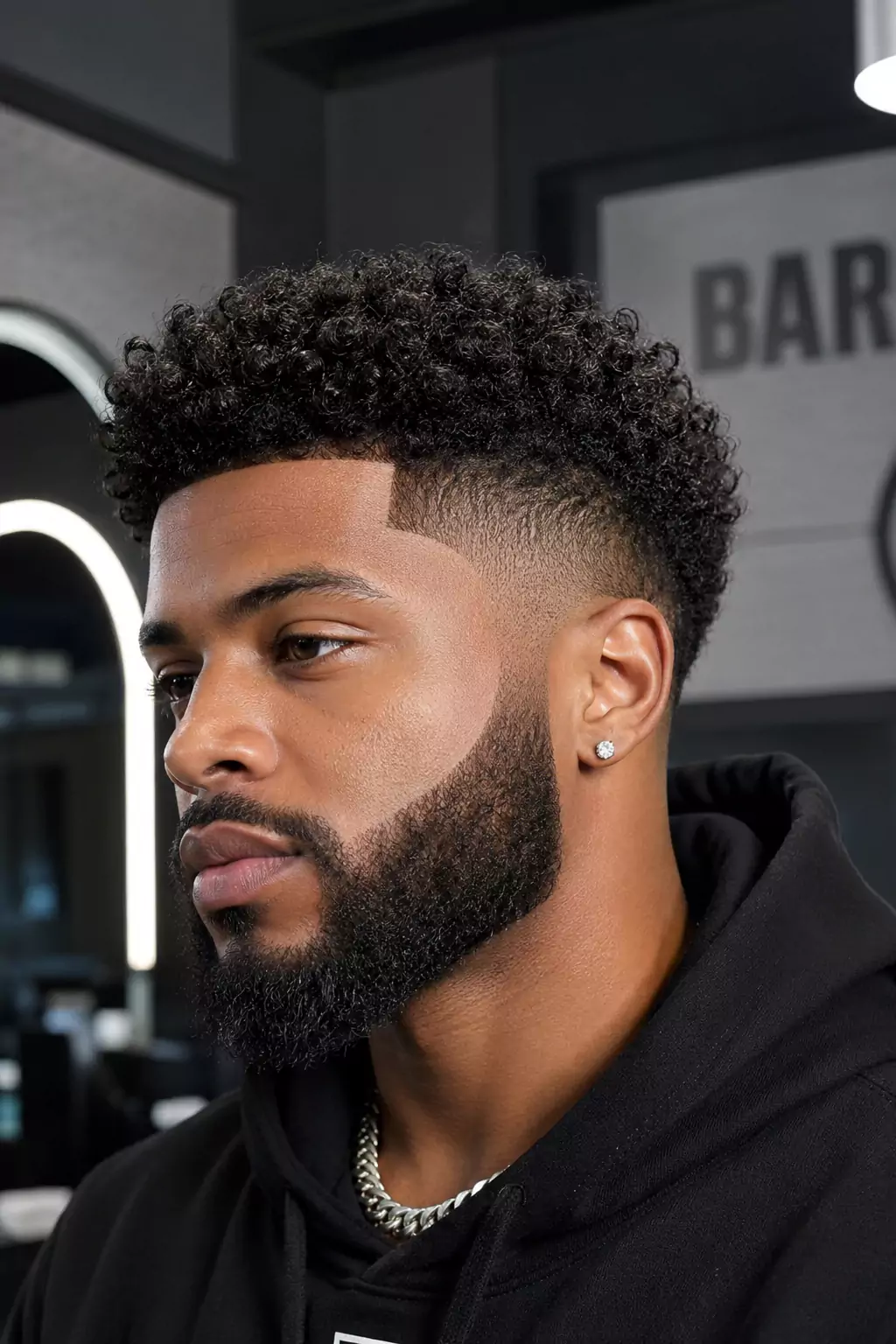
Fade haircuts for curls
Curly hair usually benefits from fades because the reduced side bulk creates stronger shape and more visible curl definition.
Popular curly fade directions include:
- curly taper fades
- drop fades with curls
- burst fade curls
- sponge twist fades
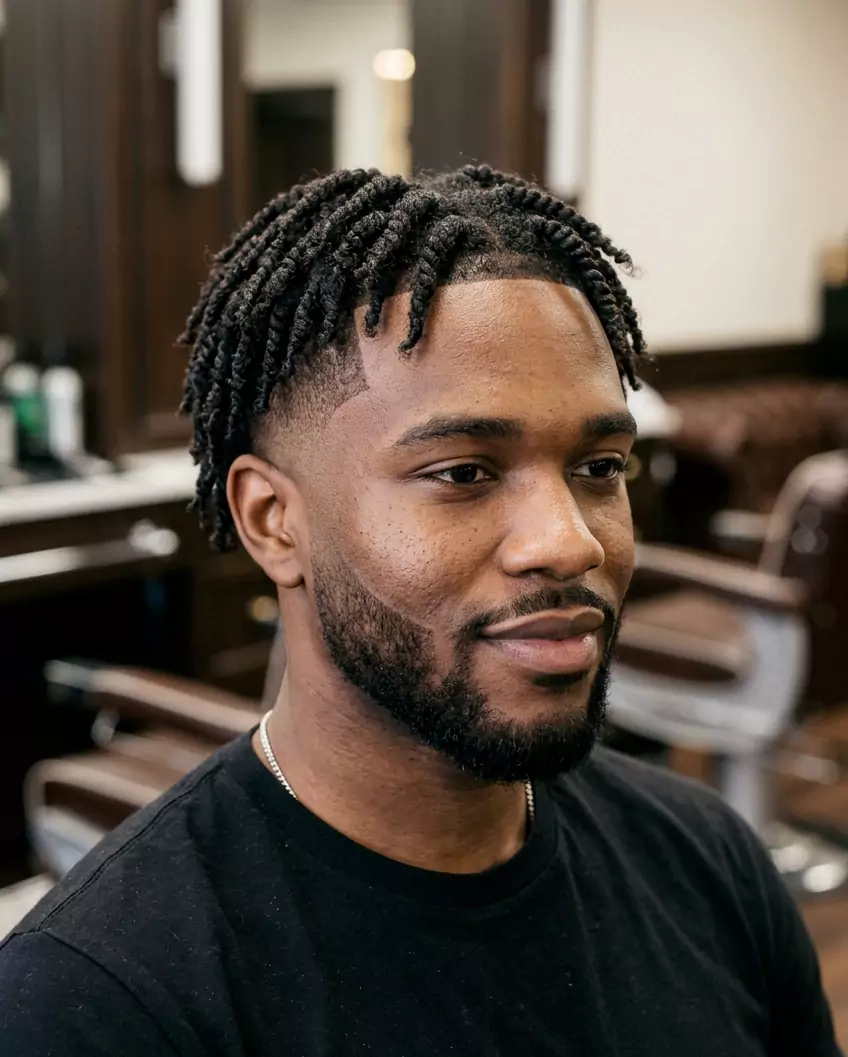
Fade haircuts for twists and locs
Fades help twists and locs feel cleaner and more structured without removing texture identity.
Popular directions include:
- taper fade locs
- high top twist fades
- drop fade dreadlocks
- temp fade twists
Part 4: Professional vs Trend-Driven Fade Styles
Some fade haircuts are chosen because they feel cleaner and easier to maintain. Others are chosen because they create stronger visual impact.
Professional fade haircuts
Professional-friendly fade styles usually include:
- low taper fades
- classic taper fades
- low skin fades
- waves with lineups
- shorter curly fades
These styles generally keep more balanced proportions and softer transitions.
Trend-focused fade haircuts
More expressive fade styles usually include:
- burst fade mohawks
- high skin fades
- curly high fades
- disconnected fades
- exaggerated beard blends
These styles often create more contrast and stronger silhouette definition.
Part 5: Fade Haircut Maintenance
Fade haircuts stay cleaner when maintenance routines match your texture and fade level.
Common fade maintenance habits
- refresh lineups regularly
- moisturize curls daily
- protect hair with satin durags or bonnets
- avoid over-drying products
- brush waves consistently
How often should you get a fade?
- skin fades: every 1–2 weeks
- taper fades: every 2–3 weeks
- low fades: every 2–3 weeks
- burst fades: every 2 weeks
Common barber mistakes to avoid
- asking for fades that are too high
- over-sharpening the hairline
- removing too much curl volume
- ignoring scalp hydration
- choosing a fade that conflicts with head shape
Fade Haircuts Quick Comparison Table
| Goal | Best Fade Direction |
|---|---|
| Cleaner professional look | low taper fade, taper fade |
| Maximum contrast | skin fade, high fade |
| Show natural curls | curly fade, drop fade |
| More expressive style | burst fade, mohawk fade |
| Easier maintenance | low fade, taper fade |
| Strong beard blend | temp fade, skin fade |
FAQ: Fade Haircuts for Black Men
What is the best fade haircut for Black men?
Low taper fades and taper fades remain some of the most versatile fade styles because they work well with waves, curls, afros, and professional grooming styles.
Which fade is best for curly hair?
Curly hair usually works best with taper fades, burst fades, and drop fades because these styles reduce side bulk while keeping curl texture visible.
Are skin fades high maintenance?
Yes. Skin fades usually require more frequent barber visits because the clean scalp transition grows out faster.
What fade haircut works best for waves?
Low taper fades and temple fades are among the most common choices for 360 waves.
What is the difference between a taper fade and a skin fade?
A taper fade keeps more natural hair around the sides and neckline, while a skin fade blends fully into the scalp.
Related Black Men’s Hairstyle Topics
Try Fade Haircuts Virtually
Fade haircuts can look very different depending on face shape, curl density, beard balance, and hairline structure. A fade that feels balanced on one person may feel too sharp, too flat, or too high on someone else.
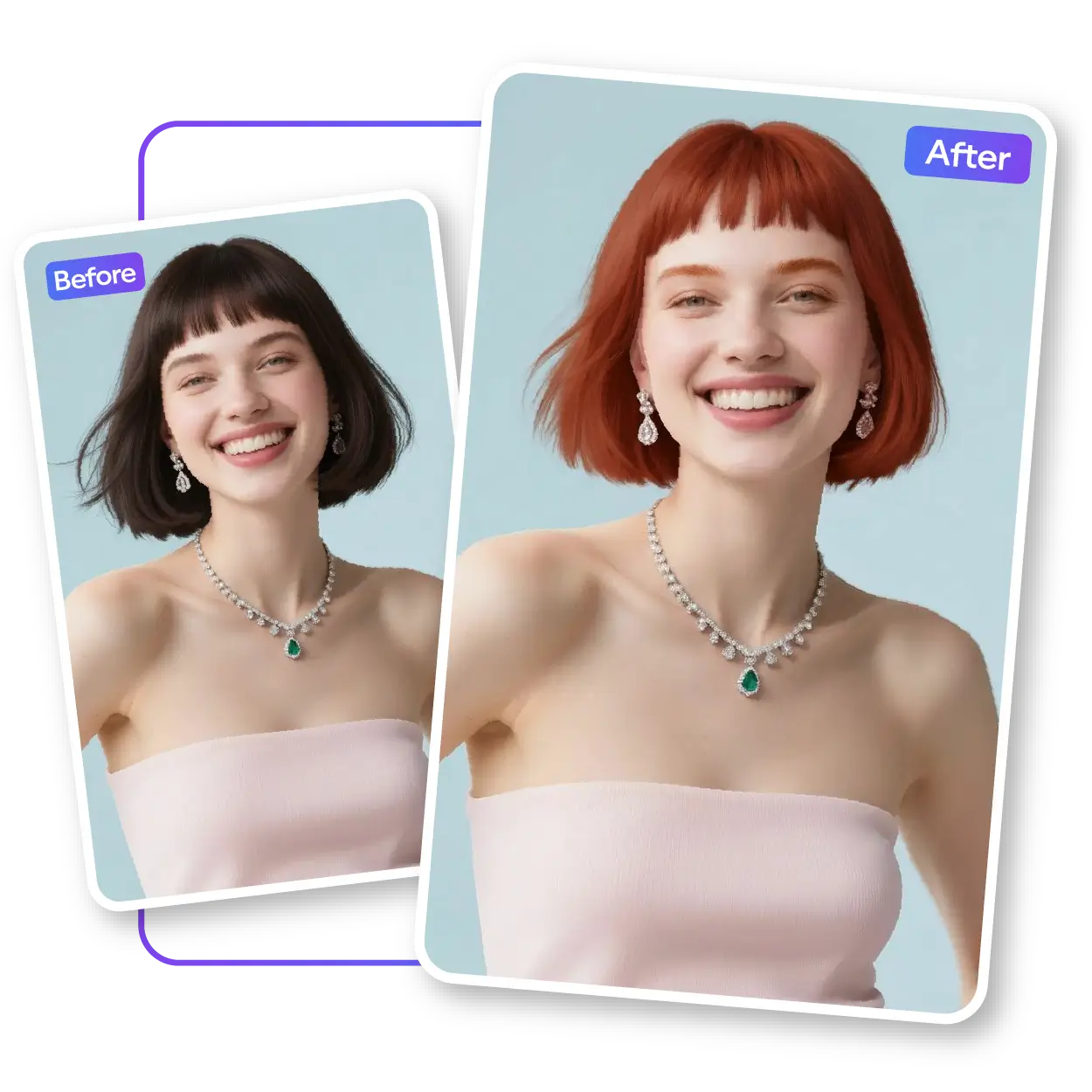
Preview fade haircuts on your own photo before choosing a taper fade, burst fade, skin fade, temp fade, or curly fade hairstyle.